Back to all tests
8Mixed (Text + Image)
Test Series 8
10 high-yield NEET PG-style MCQs with detailed explanations, mixing image-based and text-based questions.
1
Neurology
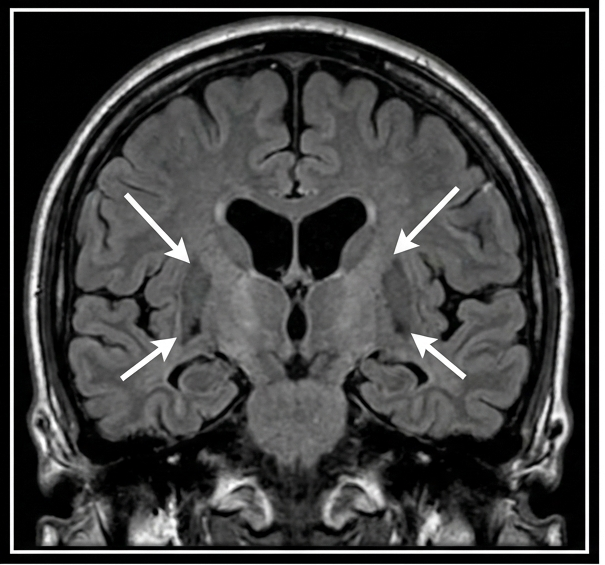
A 28-year-old male presents with new-onset choreiform movements and increasing episodes of aggression. The coronal brain MRI is shown. What is the most likely diagnosis?
2
Cardiology
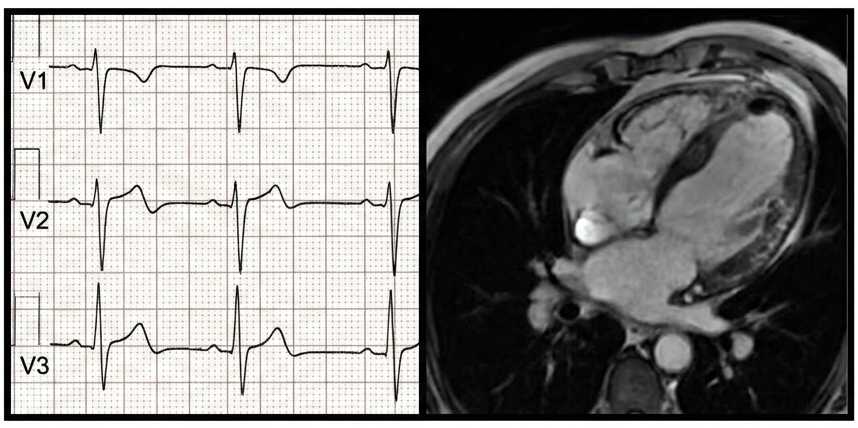
A 28-year-old female presents with palpitations and exertional syncope. The 12-lead ECG and cardiac MRI are shown. What is the most probable diagnosis?
3
Nephrology
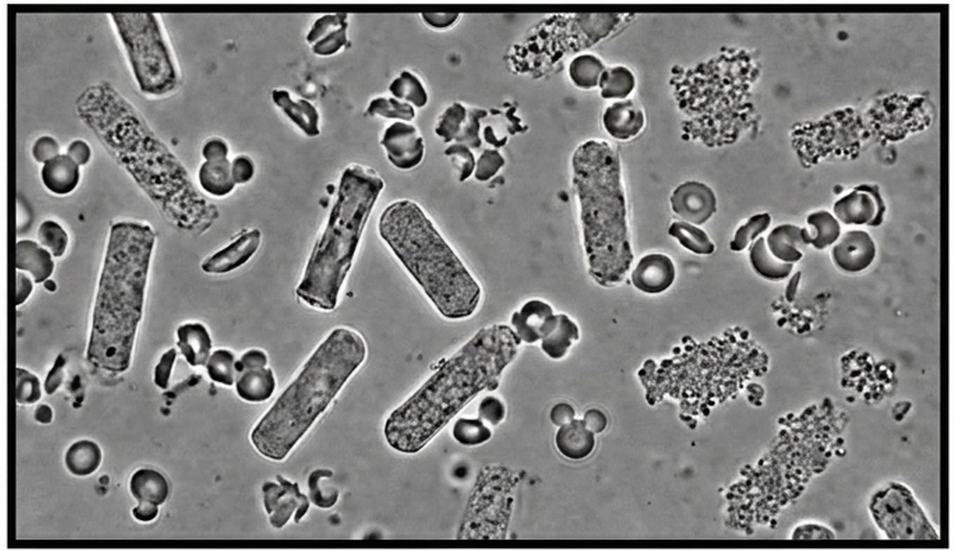
A young woman presents with a 6-month history of fever, arthralgia, oral ulcers, and fatigue, along with new-onset haematuria. The phase-contrast urine microscopy image is shown. What is the likely diagnosis?
4
Hematology(INI-CET 2023)
A 50-year-old woman with a history of recurrent respiratory infections presents with chronic daily production of copious purulent sputum. Plain chest radiography shows "tram tracks" at the lung bases. What is the gold-standard investigation to definitively confirm the underlying airway pathology?
5
Endocrinology
A 68-year-old woman with chronic knee osteoarthritis presents with new-onset lethargy and confusion. Laboratory results show a serum sodium of 124 mM, reduced serum osmolality, and inappropriately concentrated urine. She has no signs of volume depletion or overload. Her medication list includes high-dose ibuprofen started two weeks ago for worsening joint pain. By which of the following mechanisms does this medication most likely contribute to her electrolyte abnormality?
6
Hepatology(INI-CET 2023)
A 50-year-old hypertensive man is brought to the emergency department after a sudden collapse. Upon awakening, he is found to have a dense left-sided hemiplegia. His right eye is deviated downward and outward, with profound ptosis of the right eyelid. The right pupil is 6 mm and unreactive to light. Which part of the brain is most likely affected?
7
Gastroenterology
A 55-year-old female with systemic sclerosis presents with progressive difficulty swallowing and severe postprandial bloating. Esophageal manometry demonstrates a completely aperistaltic esophagus. A deep tissue biopsy of the affected esophageal wall shows extensive collagen deposition replacing the normal architecture of the muscularis propria. The profound dysmotility seen in this patient is most directly attributable to the depletion of which of the following cellular structures?
8
Pulmonology
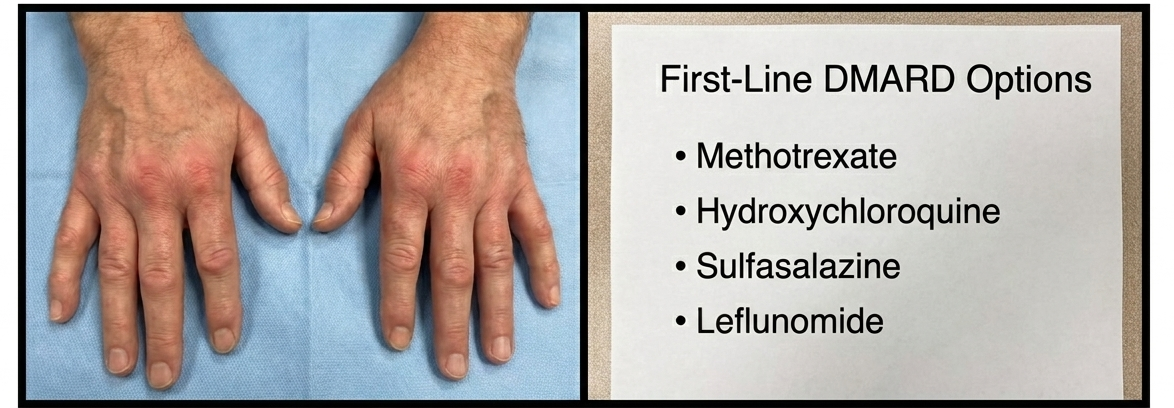
A patient with symmetric morning stiffness and early joint changes is initiating medical therapy. The clinical photograph of the hands and therapy sheet is shown. Which of the following is NOT a first-line DMARD?
9
General Medicine(INI-CET 2022)
A 50-year-old man is brought to the emergency department in a coma. ABG on room air shows pH 7.15, HCO3- 8 mEq/L, and PaCO2 25 mmHg. His serum calculated anion gap is 34 mEq/L. The measured osmolar gap is 45 mOsm/kg. Urinalysis reveals numerous envelope-shaped crystals. What is the most appropriate antidote for this patient's condition?
10
Rheumatology
A 28-year-old man undergoes evaluation for a persistent dry cough and exertional dyspnea. Chest radiography demonstrates prominent bilateral hilar lymphadenopathy. A peripheral blood analysis reveals a marked depletion of circulating CD4 positive T lymphocytes, prompting an HIV test which returns negative. Subsequent bronchoalveolar lavage fluid analysis shows a significantly elevated lymphocyte count with a CD4 to CD8 ratio of 4.2. Which of the following pathophysiologic mechanisms best explains the discrepancy between this patient's peripheral blood and bronchoalveolar lavage findings?
0 of 10 answered
Answer all 10 questions to submit