Back to all tests
7Mixed (Text + Image)
Test Series 7
10 high-yield NEET PG-style MCQs with detailed explanations, mixing image-based and text-based questions.
1
Neurology
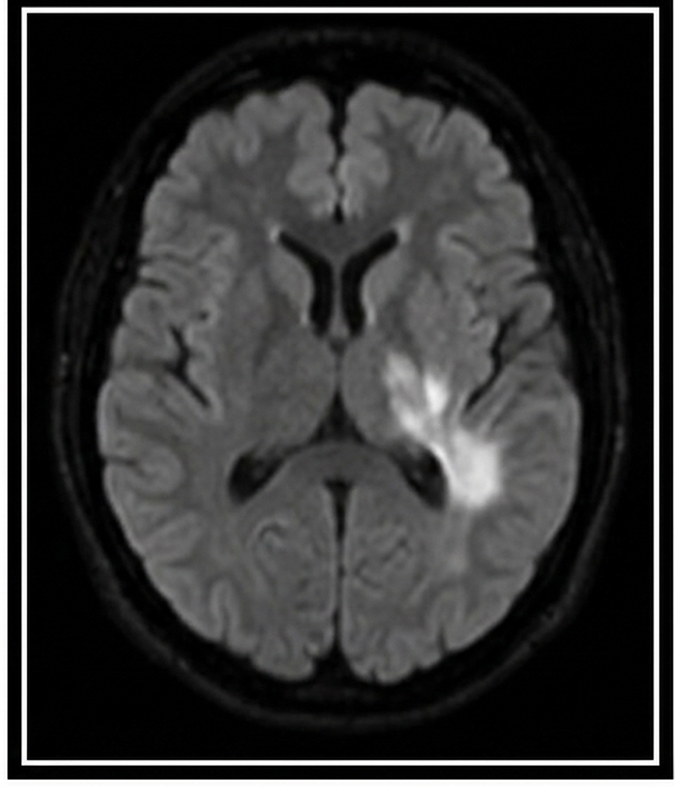
A 30-year-old woman presents with weakness of the right hand and difficulty kneading dough. Examination shows weakness with increased tone and brisk reflexes in the right arm. The axial brain MRI is shown. What is the site of the lesion?
2
Cardiology
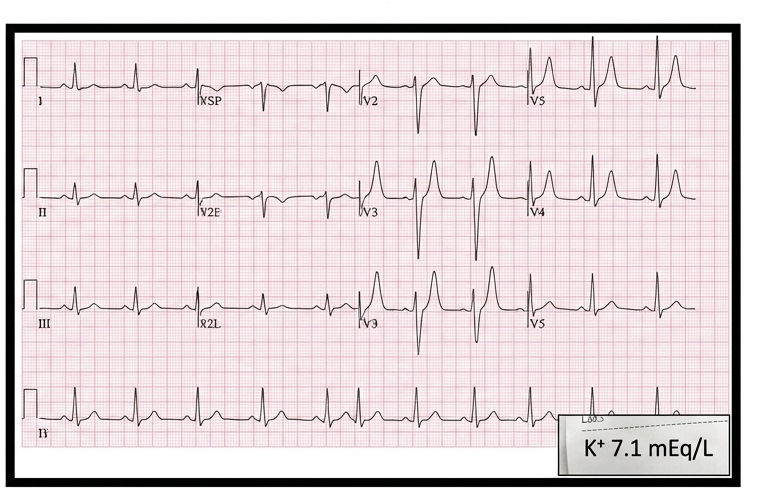
A patient with chronic kidney disease is seen for a routine review. The 12-lead ECG with biochemistry inset is shown. Which of the following represents the most life- threatening abnormality present in this patient?
3
Nephrology
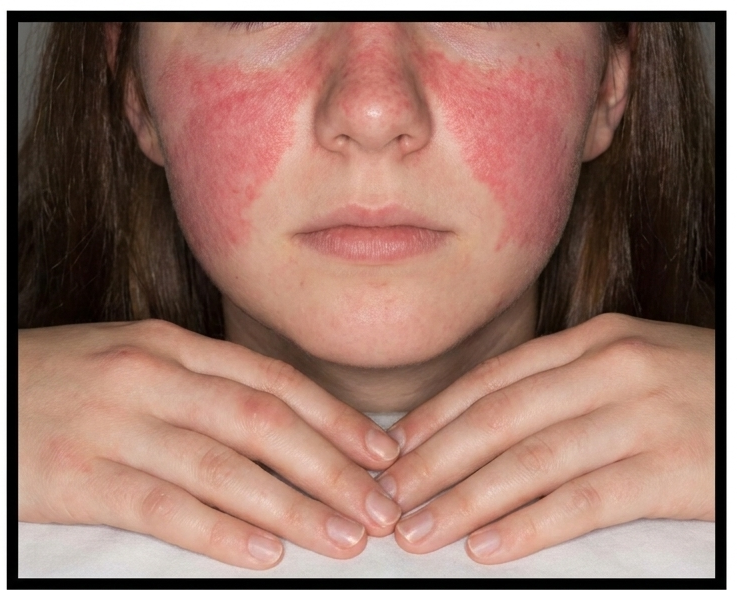
A young woman is being evaluated in the clinic. The clinical photograph is shown. Most common presenting feature?
4
Hematology(INI-CET 2022)
A 12-year-old boy is brought to the emergency department after being bitten by an unprovoked stray dog. Examination shows multiple deep, bleeding lacerations on his right calf. He has never received rabies vaccination. According to WHO guidelines, what is the most appropriate immediate post-exposure prophylaxis?
5
Endocrinology
A 55-year-old female with a history of breast cancer metastatic to bone presents with new-onset severe polyuria, awakening multiple times at night to urinate. Her daily urine volume is estimated at 6 liters with a highly dilute osmolality of 140 mosm/kg. Laboratory evaluation reveals a significantly elevated serum calcium level of 13.5 mg/dL. Administration of exogenous desmopressin fails to produce a biologically significant increase in her urine concentration. Which of the following best describes the pathophysiologic mechanism responsible for her severe polyuria?
6
Hepatology(INI-CET 2024)
A 35-year-old HIV-positive patient is currently undergoing intensive phase therapy for pulmonary tuberculosis. He develops severe invasive pulmonary aspergillosis, and the infectious disease team plans to initiate voriconazole. Which of his current anti-tubercular drugs is absolutely contraindicated with voriconazole due to massive induction of cytochrome P450 enzymes?
7
Gastroenterology
A 3-year-old boy is evaluated in the emergency department for severe abdominal cramps and diarrhea that has recently become frankly bloody. His temperature is 37.0°C (afebrile). Stool cultures grow Shiga toxin-producing Escherichia coli (E. coli O157:H7). The resident proposes starting empirical antibiotics. Which of the following is the primary pathophysiologic reason this is strictly contraindicated?
8
Pulmonology
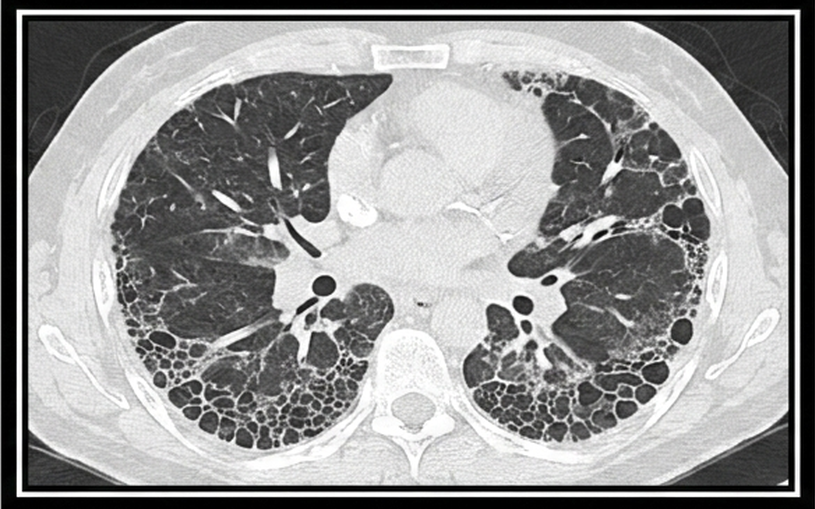
A patient with a chronic progressive respiratory condition presents for evaluation of end-stage disease. The axial HRCT chest is shown. What is the most likely cause of death?
9
General Medicine(INI-CET 2022)
A 45-year-old man in the intensive care unit for delirium tremens is receiving massive, escalating doses of intravenous diazepam (over 200 mg administered in the last 4 hours). Despite this, he continues to exhibit severe agitation, hyperthermia, and tachycardia. What is the most appropriate next step in pharmacological management?
10
Rheumatology
A 36-year-old woman presents to the emergency department with a two-day history of low-grade fever and an inability to smile on the right side of her face. Physical examination reveals a unilateral facial nerve palsy and prominent, tender swelling of both parotid glands. An ophthalmologic slit-lamp examination demonstrates inflammatory cells in the anterior chamber of both eyes. Based on this specific constellation of clinical findings, which of the following is the most likely diagnosis?
0 of 10 answered
Answer all 10 questions to submit