Back to all tests
6Mixed (Text + Image)
Test Series 6
10 high-yield NEET PG-style MCQs with detailed explanations, mixing image-based and text-based questions.
1
Neurology
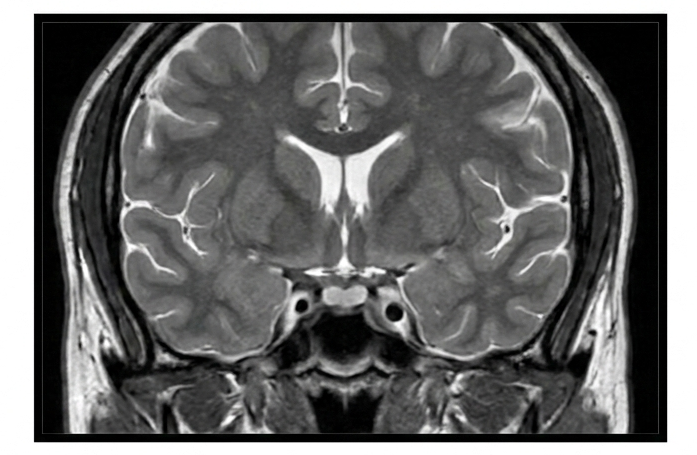
A male is evaluated for delayed physical development and absent puberty. The coronal T2 brain MRI is shown. What is the most characteristic clinical feature of this condition?
2
Cardiology
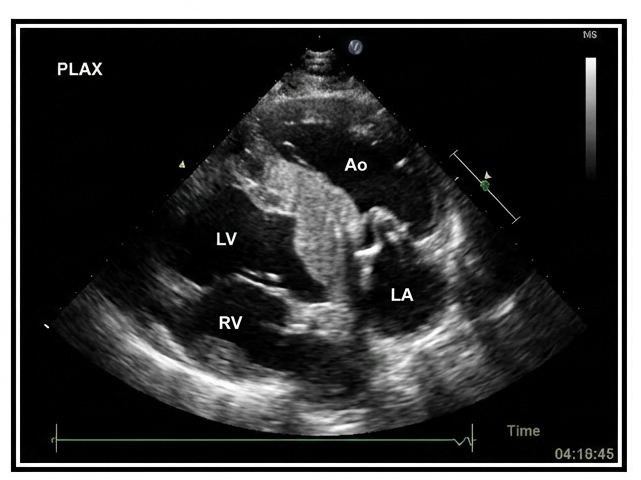
A 13-year-old footballer collapsed during play. The transthoracic echocardiogram (TTE) is shown. Which is TRUE regarding this condition?
3
Nephrology
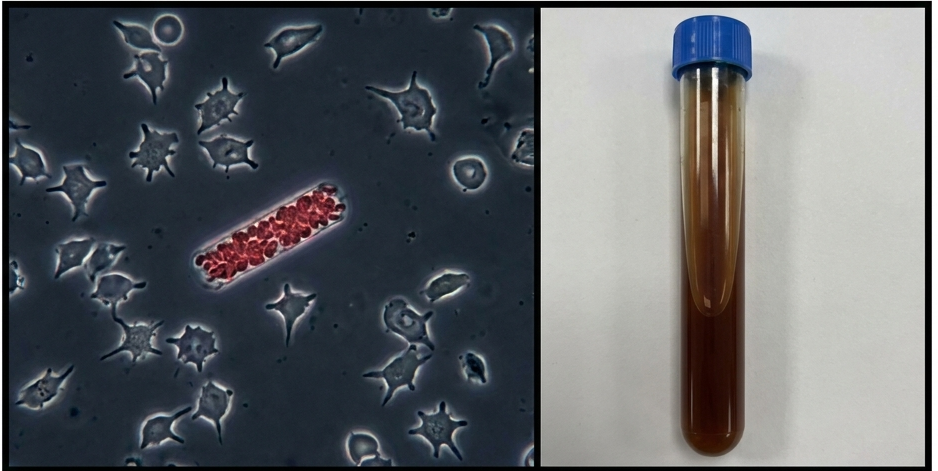
A 25-year-old man presenting with haematuria is being evaluated. The urine microscopy and sample photograph are shown. Which of the following best describes this condition?
4
Hematology(INI-CET 2022)
A 65-year-old male with a history of chronic lymphocytic leukemia presents with fever, severe headache, and neck stiffness. Cerebrospinal fluid analysis is consistent with bacterial meningitis. In addition to vancomycin and a third-generation cephalosporin, which of the following antibiotics MUST be included in his empirical regimen?
5
Endocrinology
A 50-year-old male with chronic alcohol dependence is admitted to the hospital with severe muscle cramping, lethargy, and palpitations. Laboratory tests reveal a critically low serum magnesium level of 0.4 mEq/L. While obtaining a 12-lead electrocardiogram to evaluate his palpitations, which of the following combinations of specific abnormalities is most likely to be observed due to this patient's severe electrolyte derangement?
6
Hepatology(INI-CET 2022)
A 32-year-old healthcare worker undergoes routine screening. His serology reveals HBsAg negative, Anti-HBs positive, and Anti-HBc IgG negative. Which of the following is the most likely interpretation of this profile?
7
Gastroenterology
A 47-year-old female presents with recurrent peptic ulcer disease and chronic, bulky, malodorous diarrhea. Laboratory evaluation confirms a fasting serum gastrin level of 1,500 pg/mL and a gastric pH of 1.5. A 72-hour fecal fat test reveals substantial steatorrhea. Which of the following is the primary pathophysiologic mechanism responsible for the steatorrhea in this patient's condition?
8
Pulmonology
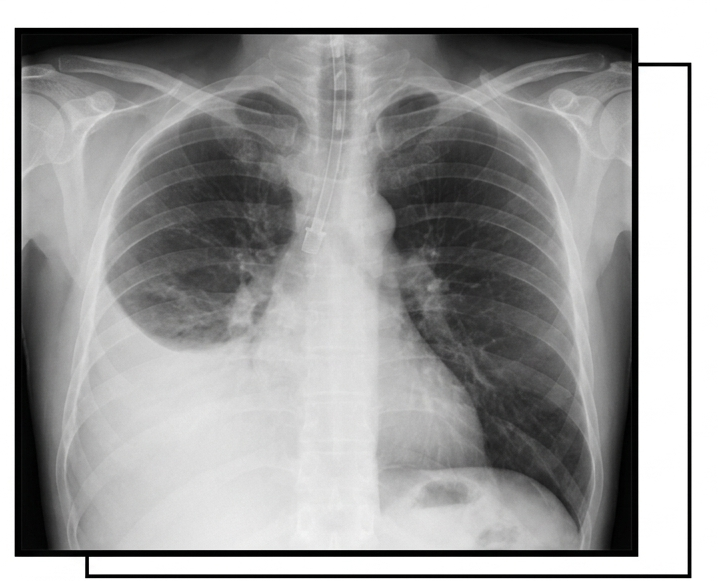
An intubated ICU patient develops fever spikes over 24—48 hours. The portable chest X-ray is shown. What is the next best step in management?
9
General Medicine(INI-CET 2023)
A 65-year-old woman with essential hypertension has been treated successfully with hydrochlorothiazide for several years. Routine laboratory investigations are drawn during a follow-up visit. Which of the following is NOT an expected potential adverse effect of this specific class of medication?
10
Rheumatology
A 48-year-old female presents with rapidly worsening skin thickening on her fingers, forearms, face, and chest over the past 4 months. She also complains of severe joint pain and numbness in her hands. On physical examination, coarse, palpable grating sensations are noted over the tendons of her wrists and ankles during active motion. Which of the following disease subsets and associated clinical profiles is most strongly indicated by this specific musculoskeletal finding?
0 of 10 answered
Answer all 10 questions to submit